Review of LogiMAT 2026: When Intralogistics Is Defined by Interfaces
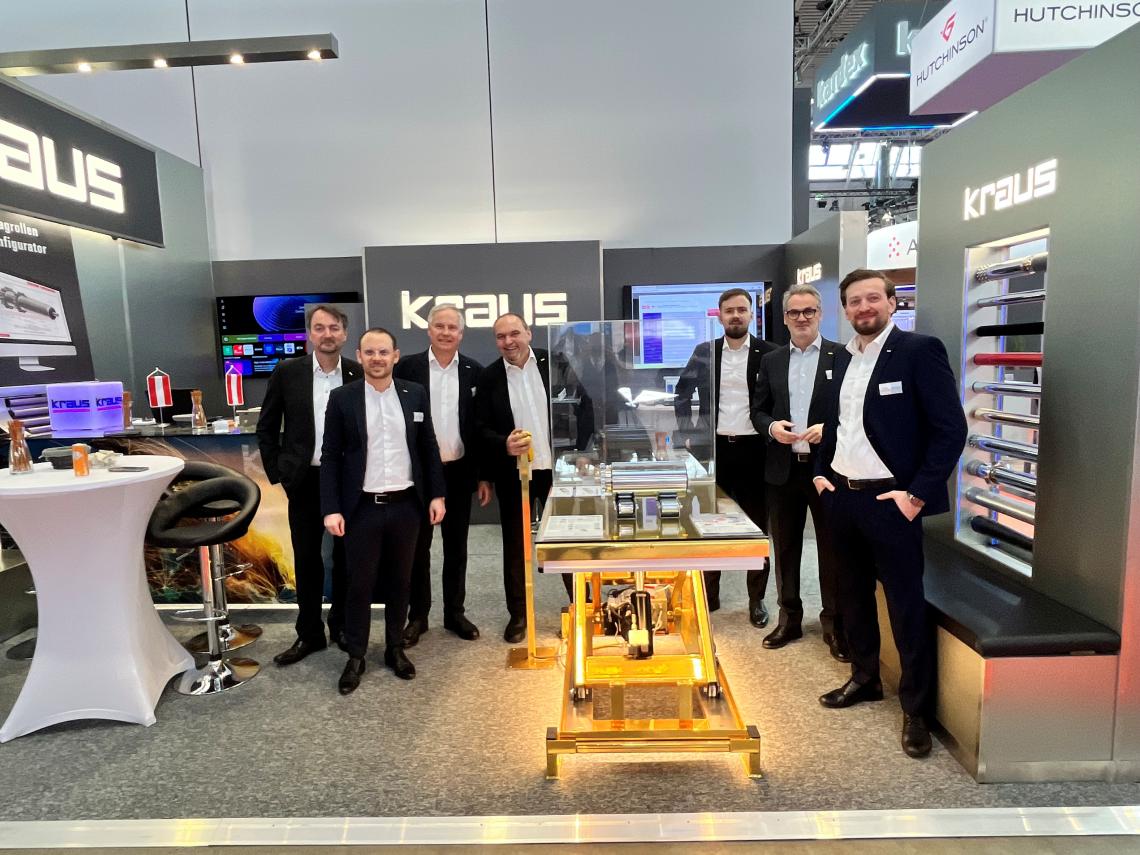
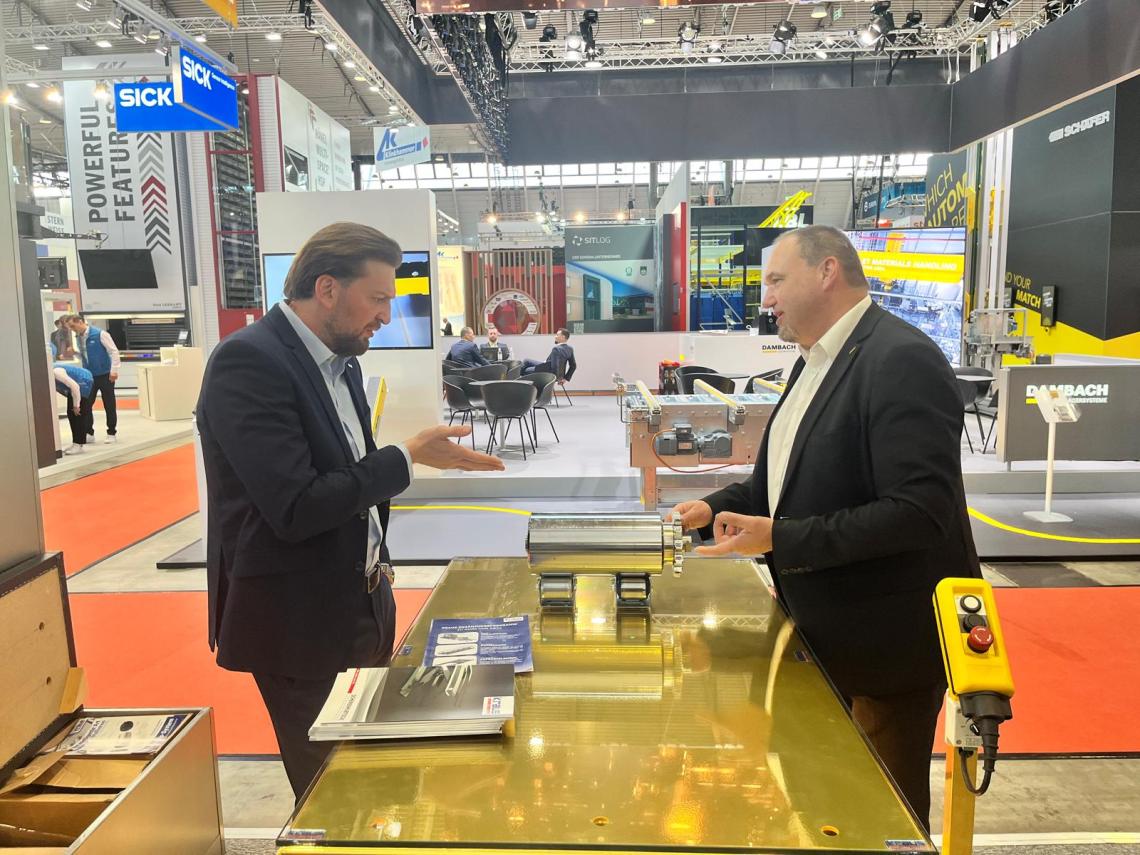
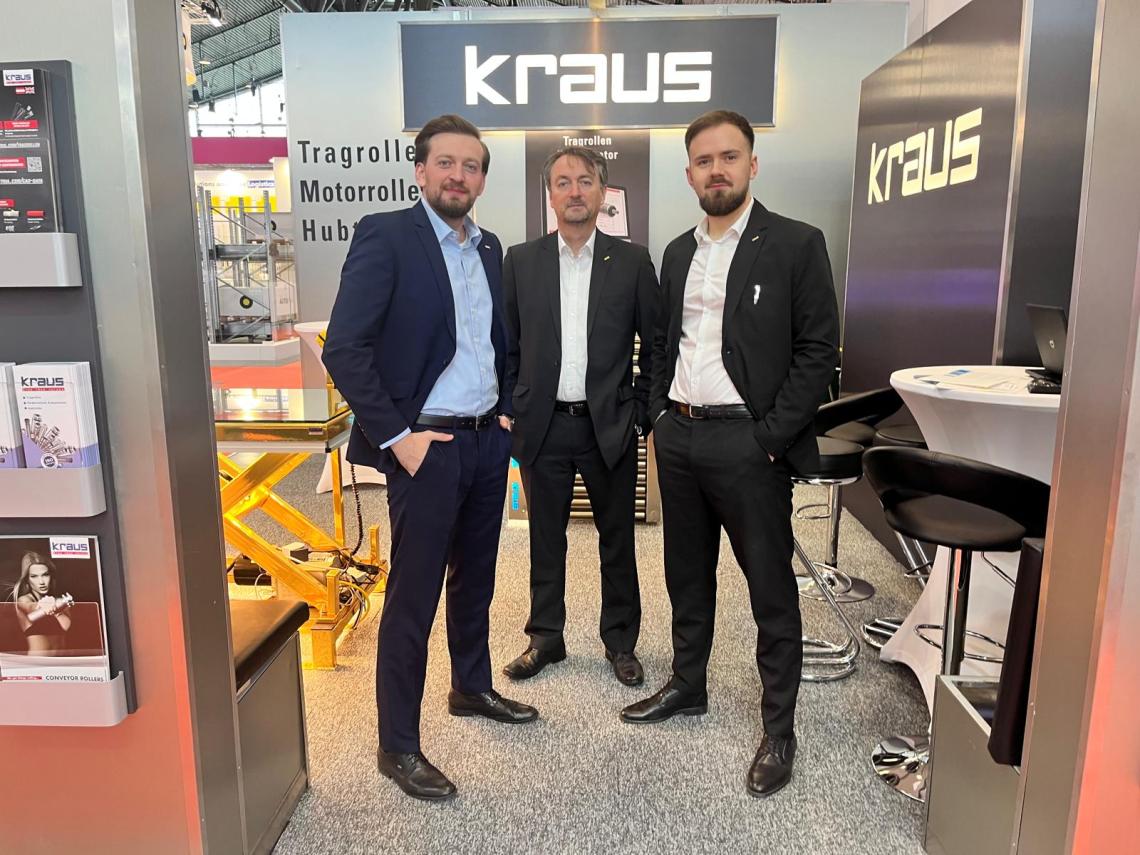
LogiMAT 2026 in Stuttgart is behind us, and we look back on three intense, inspiring, and above all insightful days at the trade fair.
From March 24 to 26, we once again had the pleasure of welcoming numerous visitors to our booth at Europe’s leading trade fair for intralogistics solutions and process management. One key takeaway from the event stood out clearly: projects rarely fail because of the vehicles themselves.
A recurring theme emerged in many of our conversations:
In practice, AMR and AGV projects rarely fail due to the vehicles – but much more often at the interfaces within the overall system.
Autonomous Mobile Robots (AMRs) and Automated Guided Vehicles (AGVs) have reached an impressive level of technological maturity. Navigation, safety systems, fleet management, and vehicle intelligence are evolving rapidly.
The Key Questions from Practice
In discussions with many companies, similar challenges came up repeatedly:
How can seamless handovers between AMRs and conveyor systems be achieved without losses?
Smooth material transfer is essential for efficient operations. Even small mismatches in transfer heights, positioning accuracy, or communication processes can lead to delays, disruptions, or unnecessary downtime.
How can existing systems be integrated without disrupting ongoing operations?
In most cases, intralogistics systems are not built from scratch. New automation solutions must be integrated into existing production and logistics environments. This requires well-thought-out integration concepts that safeguard ongoing operations and minimize risks.
How do individual technologies become a continuous end-to-end process?
Even the best standalone solution delivers limited value if information flows, material transfers, and control systems are not properly synchronized. Only when all components work together reliably does a robust and scalable material flow emerge.
It’s Not About Individual Solutions but about the Interaction
From our perspective, this is one of the key success factors in modern intralogistics. Ultimately, it is not the performance of a single vehicle, robot, or conveyor system that determines success. What truly matters is how well all components interact as part of an integrated system.
How reliable are the handovers?
How stable are processes in continuous operation?
How flexibly can the system respond to changes?
How easily can it be expanded?
The answers to these questions largely determine the economic success of an automation solution.
Our Approach: Making Interfaces Reliable and Efficient
This is exactly where our solutions come in. Our focus is on reliably designing the physical interface between mobile robots, conveyor technology, and existing systems.
We create solutions that:
ensure stable and repeatable material transfers
enable seamless integration into existing processes
minimize operational disruptions
reduce efficiency losses
provide the foundation for scalable overall systems
Because functioning interfaces are not a detail, they are a fundamental prerequisite for making automation work in everyday operations.
Thank You for the Inspiring Exchange
Once again, LogiMAT 2026 has shown how strong the demand is for practical, integrable, and robust automation solutions. At the same time, it became clear: the future of intralogistics lies not only in increasingly intelligent individual technologies, but above all in their seamless integration.
We would like to sincerely thank you for the many inspiring conversations, valuable insights, and the trust you placed in us.
We look forward to continuing the dialogue and developing solutions together that truly work in practice.